How to Select the Best Portable Generator Size for Your Needs
Picking the right portable generator size isn’t complicated. But get it wrong, and you’ll pay for it in tripped breakers, damaged equipment, or wasted fuel. The size you need depends on your power requirements.
In this guide, you’ll learn how to calculate your total power needs, understand the difference between running and starting watts, and match your power demands to the right portable generator size.
Why Choosing the Right Portable Generator Size Matters
Generator size affects everything: safety, reliability, and how long your equipment lasts. Getting it wrong has real consequences.
Here’s what happens at both ends of the spectrum.
When You Undersize a Generator
An undersized generator struggles from the start. It can’t meet your total power demands, so it runs at or above its limit constantly.
That stress shows up fast. Voltage drops and breakers trip. Equipment that draws power inconsistently, such as air conditioners, compressors, sump pumps, etc, can overheat or burn out motors entirely.
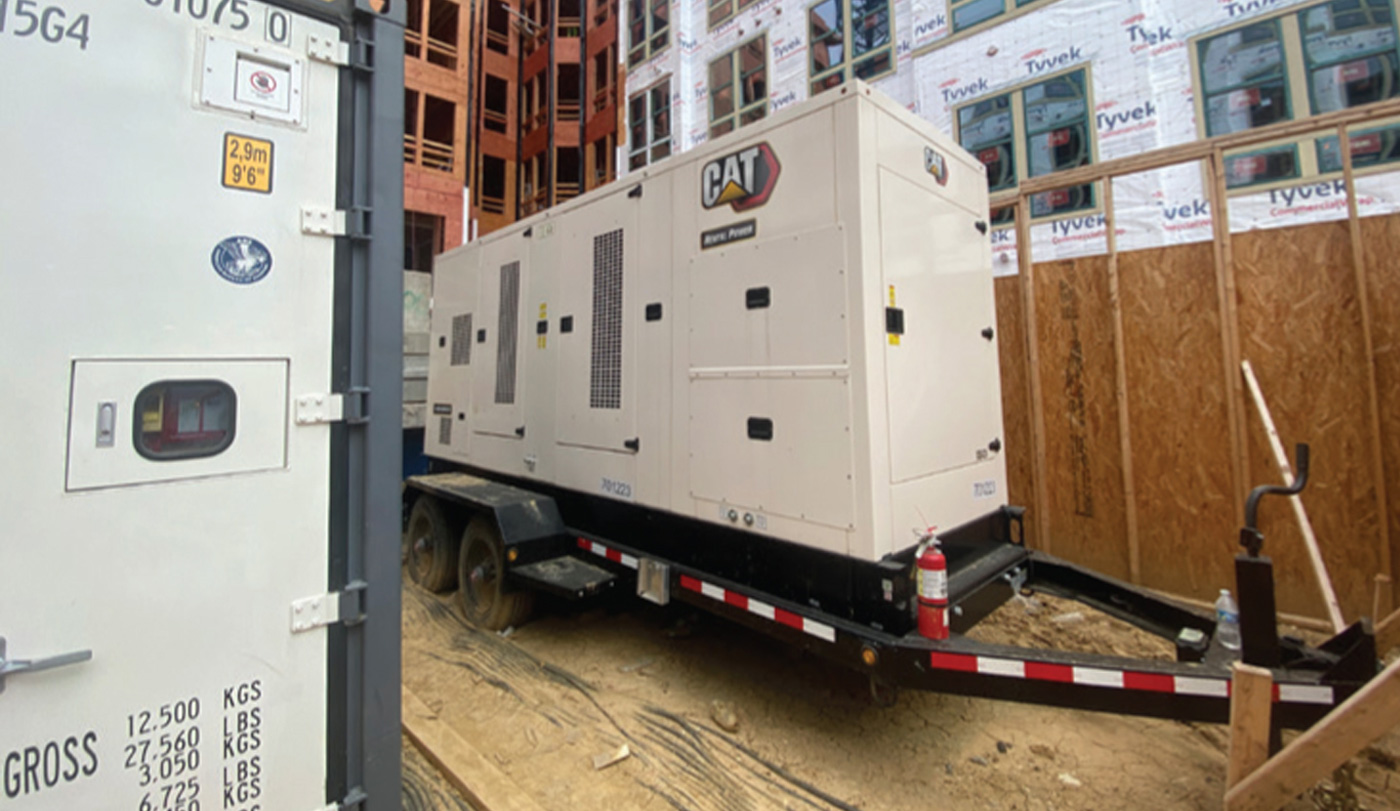
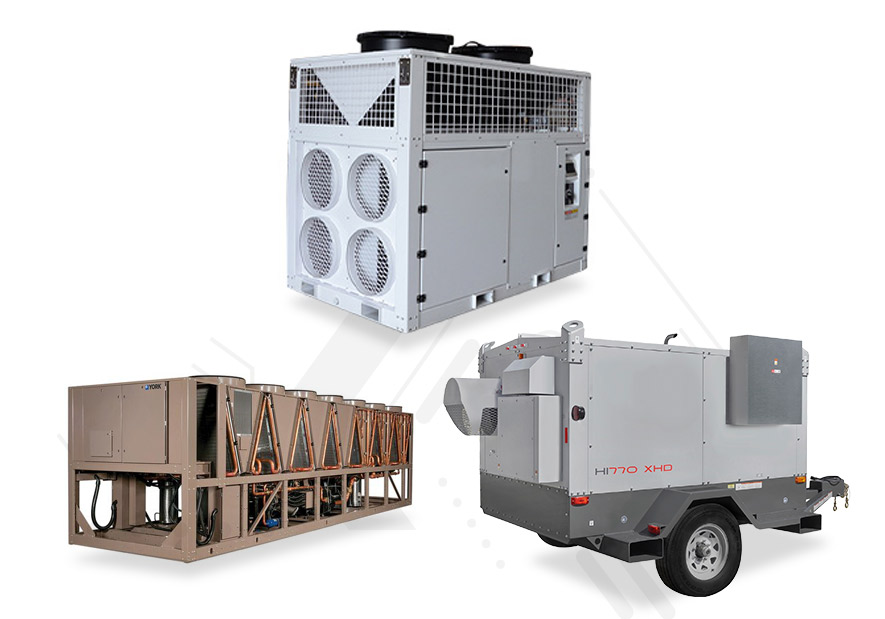
On a construction site, an undersized portable generator means tools cut out mid-job. On a job site running an HVAC system, it means the air conditioning never quite keeps up, and the generator runs hot trying.
The harder you push an undersized unit, the shorter its lifespan. It’s not built to sustain that kind of load.
When You Oversize a Generator
Oversizing feels like the safe choice. It isn’t.
A generator set running well below its rated capacity runs inefficiently. For diesel generators, low load operation causes wet stacking (unburned fuel builds up in the exhaust system and creates long-term engine damage.)
Oversized units also burn more fuel than the job requires. On a long-term construction site or during an extended power outage, that adds up fast. Your utility bills and fuel costs climb while your generator underperforms.
The Safety Risks of Getting It Wrong
An overloaded generator is a safety risk. Push a portable generator past its rated output and you risk overheating, electrical faults, and in serious cases—fire.
An improperly sized backup generator connected to your electrical system without the right transfer switch creates back-feed risk. That’s dangerous for utility workers and your own equipment.
Real Applications Where Size Gets Missed
A portable power setup for a small job site office looks simple. Add a space heater, a few device chargers, a laptop, and a coffee maker, and you’re already pulling more running wattage than most people expect.
Scale that up to a construction site running a compressor, power tools, and temporary lighting simultaneously, and the margin for error shrinks fast.
A standby generator sizing carries its own risk. An undersized unit can’t power an electric water heater, air conditioning, and basic lighting at the same time. During a power outage, that’s a problem you don’t want to discover after the fact.
How to Calculate Generator Wattage Requirements
The math behind generator sizing is straightforward. You just need to know what you’re powering and how much power each item draws.
Follow these steps, and you’ll have your total wattage figure in minutes.
Step 1: List Every Item You Need to Power
Start with a full list. Write down every piece of equipment that will draw power from the generator at the same time.
Don’t guess. Check each item’s label or manual for its power requirements. If something is missing from the label, the manufacturer’s website will have it.
Step 2: Find the Running Watts for Each Item
Running watts are the power an item draws during regular operation. This is your baseline figure for each piece of equipment.
Most appliances and tools list running watts directly on their label. If yours lists amps instead, use this formula:
Watts = Volts x Amps
In the US, standard equipment voltage is 120V or 240V. Multiply your total amps by the voltage, and you have your running power.
Step 3: Identify Starting Watts for Motor-Driven Equipment
Some equipment needs a surge of power to start up. Air conditioners, compressors, sump pumps, and HVAC systems all draw significantly more power at startup than during normal operation.
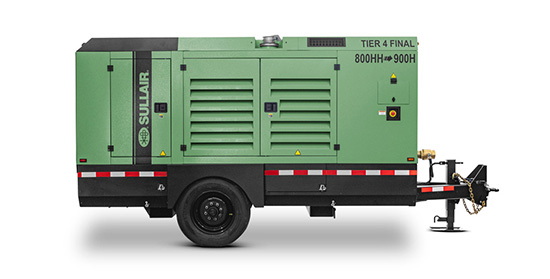
This startup draw is called starting watts. It only lasts a few seconds, but your generator has to handle it.
Starting watts are typically two to three times the running wattage for motor-driven equipment. Check the label or spec sheet for the exact figure.
If your air conditioner runs at 1,500 watts but requires 4,500 watts to start up, your generator needs to handle that 4,500-watt surge even if it only lasts a moment.
Step 4: Add It All Up
Now put the numbers together.
Add the running watts for every item on your list. That gives you your total running wattage.
Then take the single highest starting watt figure from your list, usually your largest motor-driven item, and add it to your total running wattage.
Total Power Requirement = Total Running Watts + Highest Single Starting Watts
That final figure is your minimum power requirement. Your portable generator needs to meet or exceed it.
Step 5: Convert to Kilowatts or KVA if Needed
Generator output is often listed in kilowatts or KVA rather than watts.
The conversion is simple:
Kilowatts = Watts ÷ 1,000
So a total power requirement of 8,500 watts equals 8.5 kilowatts.
KVA figures account for power factor, the efficiency at which your electrical system uses power. For most portable generator sizing, kilowatts is the more practical unit to work with.
Use a Generator Wattage Calculator
If you’d rather skip the manual math, a generator wattage calculator can do the work for you. Enter your equipment list, and the tool automatically estimates your total power needs.
It’s a helpful starting point, especially for complex job sites or facilities with extensive equipment lists. Use it to get a ballpark figure, then verify with the step-by-step method above.
So, How Big of a Generator Do You Need?
You’ve done the math. Now let’s apply it.
Generator size needs vary by application. A backup setup has different power demands than a commercial job site. Here’s how to match your total wattage figure to the right size generator for your situation.
Portable Generators for Small Remote Sites
A power outage at any site is inconvenient. A long one is a real problem, especially if you rely on medical equipment, or have busy security stations, or are located in an area with extreme temperatures.
For basic site backup, such as lights, a freezer, device chargers, and a few small lab appliances and terminals, a 3,000 to 5,000-watt portable generator covers most needs.
If you want to run central air conditioning, an electric water heater, and multiple appliances simultaneously, plan for a minimum of 7,500 to 10,000 watts.
Whole-site generators that power everything in a small site typically start at 10,000 watts and go up from there. For small facility coverage, a standby generator connected through a transfer switch is usually the better long-term power solution.
| Application | Recommended Size |
| Basic essentials only | 3,000 – 5,000W |
| Partial backup | 5,000 – 7,500W |
| Full lighting and climate control | 7,500 – 10,000W |
| Whole-house generator | 10,000+ |
Portable Generators for Medium-to-Large Job Sites
Construction sites have different demands depending on what’s running. A small site with basic power tools needs far less than a large site running compressors, HVAC, and heavy equipment simultaneously.
For light job site use such as power tools, lighting, and small equipment, a 4,000 to 8,000-watt portable generator handles the load.
Mid-size construction sites running a compressor, multiple tools, and temporary lighting need 8,000 to 15,000 watts of reliable power generation.
Larger sites with multiple power demands running simultaneously should consider commercial generator options starting at 15,000 watts or more.
| Job Site Application | Recommended Size |
| Light tools and lighting | 4,000 – 8,000W |
| Mid-size site with compressor | 8,000 – 15,000W |
| Large multi-demand site | 15,000+ |
Portable Generators for Commercial Use
Commercial applications vary widely. A small retail backup setup is a different beast from a large facility running HVAC, refrigeration, and complete electrical systems during an outage.
For small commercial backup power, e.g, office equipment, lighting, and basic systems, plan for 10,000 to 20,000 watts.
Mid-size commercial facilities running air conditioning, refrigeration, and multiple electrical systems need 20,000 to 50,000 watts of emergency power.
Larger commercial operations should consult with a power generation specialist before sizing. The variables, total amps, electrical system layout, and simultaneous load demands, get complex fast.
| Commercial Application | Recommended Size |
| Small office or retail backup | 10,000 – 20,000W |
| Mid-size commercial facility | 20,000 – 50,000W |
| Large commercial operation | 50,000W+ |
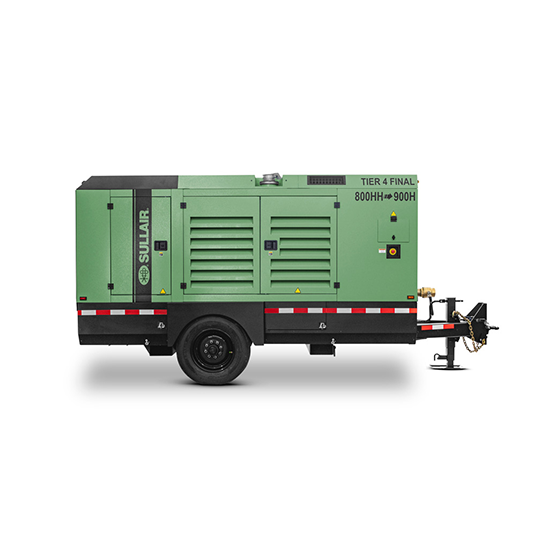
Portable Generator Sizes vs. Industrial Generator Rentals: When to Scale Up
Portable generators are practical. They’re mobile, easy to set up, and handle a wide range of power needs. But they have limits.
Here’s how to know when you’ve hit them.
When Portable Generator Sizes Aren’t Enough
Portable generators have a ceiling. For most units, that ceiling sits around 17,000 watts, or 17 kilowatts.
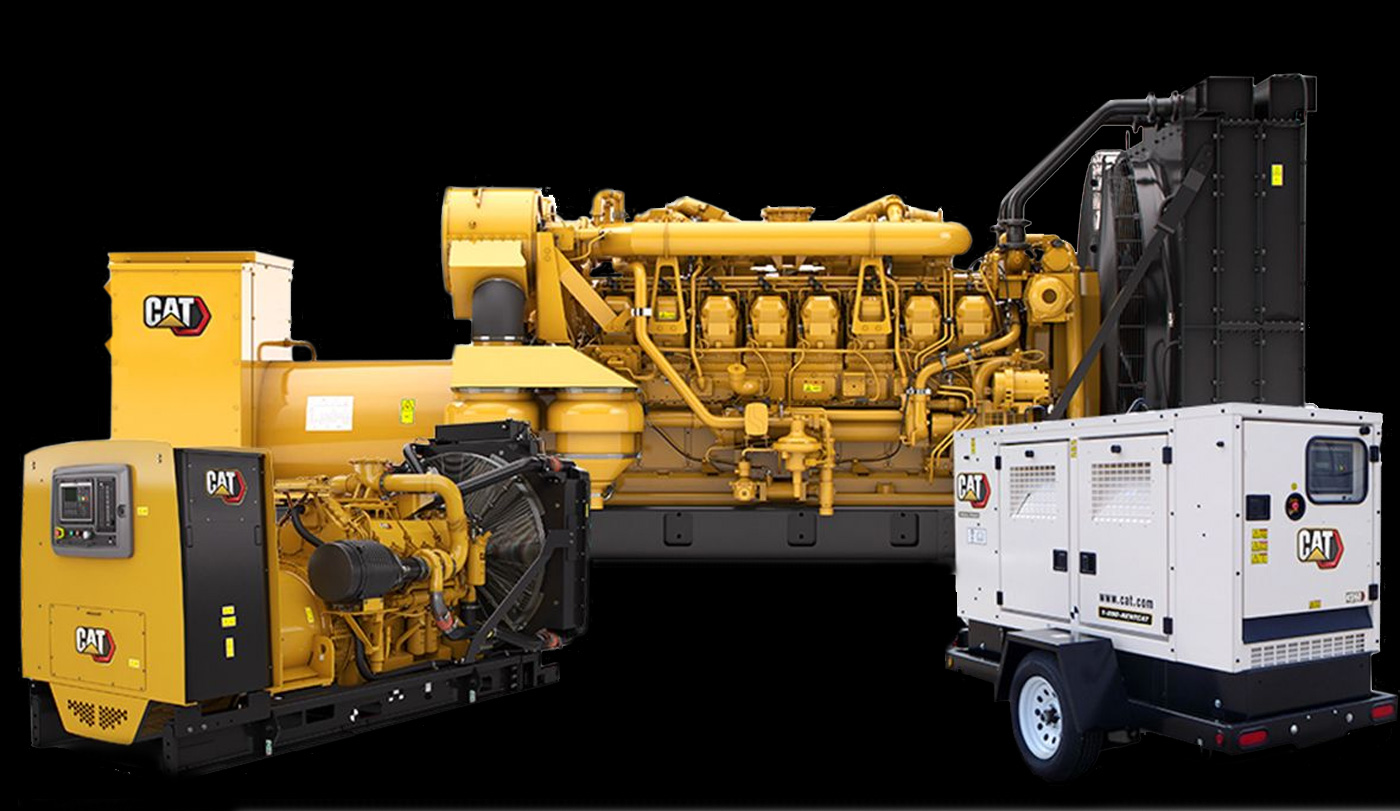
If your total power requirement exceeds that, you’ve moved past portable generator territory. Industrial generator sets, standby generators, and diesel generators pick up where portable power leaves off.
For industrial construction sites, manufacturing facilities, data centers, and critical infrastructure, power demands routinely run into hundreds of kilowatts. That’s a different category of equipment entirely.
HOLT Industrial Rentals specializes in exactly that range. If the power you need exceeds what a portable generator can deliver, our team can size and deliver an industrial generator rental tailored to your specific load requirements.
When to Consider an Industrial Generator Rental
A few clear signs tell you it’s time to scale up:
- Your site runs motor-driven equipment with high starting watts simultaneously
- You need continuous emergency power for days, not hours
- Your electrical system requires a dedicated transfer switch and professional installation
- Your application falls under the national electrical code requirements for commercial or industrial power
- Your total wattage calculation exceeds 15,000 to 17,000 watts
<h3> Renting Makes the Transition Easy
Buying an industrial generator set is a large capital commitment. Renting gives you the right size generator for the job without that investment.
You get the power supply you need, sized correctly, delivered on-site, and returned when the job is done.
Can I run a whole small building on a portable generator?
Yes, but you’ll need 10,000 watts or more to cover essential systems simultaneously. For full whole-house coverage, a standby generator with a transfer switch is the better long-term solution.
What’s the difference between KW and KVA?
Kilowatts measure actual power output. KVA accounts for how efficiently your electrical system uses that power. For portable generator sizing, focus on kilowatts.
Is a portable generator or standby generator better for backup power?
Portable generators are flexible and cost less up front. Standby generators start automatically during a power outage and are better suited to critical applications. Your power needs and outage frequency determine the right choice.
How long can a portable generator run continuously?
Runtime depends on fuel tank size and the load you’re running. Most generators run 8 to 12 hours on a full tank at 50% load. Push the load higher, and the runtime drops.
For extended power outages that last days, a propane or natural gas generator with a dedicated fuel supply is a more practical backup power solution than a standard portable unit.
Explore Our Range of Portable Generators at Holt Industrial Rentals
Generator sizing doesn’t have to be a guessing game. You have the formula, the reference ranges, and the knowledge to make a confident call.
The next step is getting the right unit in your hands.
HOLT Industrial Rentals carries a full range of generator rentals, including portable power solutions and heavy-duty industrial generator sets. Every rental is delivered, installed, and supported by a team that knows power generation inside and out.
Don’t wait for a power outage to find out your generator can’t keep up.
Call 844-660-RENT (7368) to speak with a project manager today. We’ll assess your power requirements and match you to the right generator size.
Or schedule a site assessment online and get your power solution in place today.

Load Bank Testing Procedures for Reliable Generator Operation
Your backup generator looks fine sitting there. But looks don’t tell you much. The real question is: will it hold up when the power goes out, and your facility depends on it?
Most standby generators spend their lives running light loads or sitting idle. That sounds harmless, yet it isn’t. Without regular load bank testing, diesel engines build up deposits, alternators drift, and voltage regulators go unchecked. By the time you find out there’s a problem, you’re already in one.
In this guide, you’ll learn what load bank testing is, how it works, and how often you should do it. Discover the exact procedure to follow to keep your emergency power systems running reliably.
So, What Is Load Bank Testing?
Load bank testing puts an artificial load on your generator. It simulates real-world electrical demand to verify that your generator can handle full load conditions when actual power failure hits.
A load bank is a self-contained piece of equipment. It connects your generator and draws a controlled electrical load, just like your facility would during a real outage. The difference is that you control the test, pick the timing, and the conditions.
Why Idle Runtime Isn’t Enough
Your generator starts up during monthly tests. It runs for 20 minutes at light loads. That’s not the same as being ready.
Diesel engines need to work. Running a diesel generator at low loads for short periods causes wet stacking. This is a buildup of unburned fuel and carbon deposits in the exhaust system. Over time, this buildup reduces power output, increases the risk of overheating, and can create a fire hazard.
Running a load bank test tells you things idle testing never can. It confirms your generator can sustain its rated capacity. It puts real stress on the cooling system, coolant levels, and fuel pressure. It checks voltage regulator performance and frequency stability under actual electrical load.
How Does a Load Bank Work?
A load bank applies a controlled electrical load to your generator. It does this by converting electrical energy into heat through resistive elements. That heat gets discharged safely, usually through a built-in cooling system with fans.
Types of Load Banks
Not every load bank works the same way. The type you use depends on your generator and the test you’re running.
- Resistive load banks are the most common. They apply a pure resistive load, such as electric heaters or lighting systems. They test your generator at unity power factor and are used for most standard generator load bank testing.
- Reactive load banks go further. They include inductive and capacitive elements that simulate real-world loads like motors, transformers, and air conditioning systems. Inductive load banks test your generator under lagging power factor conditions. Capacitive load banks test under leading power factor conditions.
- Resistive/reactive combination units apply both simultaneously. These give you the most complete picture of how your generator sets will perform under actual facility conditions.
How Often Should Generator Load Bank Testing Be Performed?
Testing frequency depends on how your generator is used and what industry you operate in. Some facilities test once a year. Others are required to test more often. Here’s how to think about it.
The Baseline Standard
For most standby generators, annual load bank testing is the minimum. Once a year, you put the generator under full load conditions and confirm it performs to its nameplate rating.
If your generator supports critical operations, once a year may not be enough.
NFPA 110 Requirements
The National Fire Protection Association sets the standard for emergency power systems in the United States. Under NFPA 110, emergency power generators must be tested at 30% or more of their rated capacity for a minimum of 30 minutes every month.
If a generator fails to reach 30% of its rated load during monthly testing, NFPA 110 requires a load bank test to be performed. That test must run for a minimum of two hours at full load.
Testing by Industry and Use Case
Different operations carry different risks. Testing schedules should reflect that.
- Healthcare facilities run the strictest schedules. Hospitals and care centers depend on emergency power generators to keep patients alive. NFPA 110 compliance is mandatory. Many healthcare facilities run load bank tests every six months as a standard practice to meet code and manage risk.
- Data centers run on uptime. A power outage that takes down a server costs real money fast. Most data centers run annual load bank testing at minimum, with some running tests every six months. Their backup power systems are too important to leave to chance.
- Industrial and manufacturing facilities depend on prime power and backup generators to keep production running. Testing schedules here vary, but annual testing is standard. Facilities with older generator sets or high-demand operations often test more frequently.
- Construction and temporary power applications follow a different rhythm. Generators on job sites move around and take heavy use. Regular load bank testing keeps them reliable across projects.
Insurance and Risk Management
Your insurance provider cares about this too. Many commercial property and business interruption policies require documented generator testing as a condition of coverage. Skipping load bank testing or failing to keep records can affect your claim if a power failure causes losses.
Documented test records show your insurer, regulator, and team that your backup power systems are maintained and ready. That’s peace of mind with paperwork to back it up.
Generator Load Bank Testing Procedure
Knowing what load bank testing is and when to do it only gets you so far. The procedure itself matters just as much. Follow these steps to run a safe and practical test.
Step 1: Pre-Test Checks
Before you connect anything, inspect the generator. A load bank test puts your system under stress. You want to catch existing problems before the test.
Check the following:
- Coolant levels — top up if low
- Fuel pressure and fuel supply — confirm adequate fuel for the full test duration
- Exhaust system — look for leaks, blockages, or damage
- Oil levels — check and correct before starting
- Transfer switches — confirm they are functioning correctly
- Electrical connections — inspect for loose or damaged wiring
- Nameplate rating — confirm the generator’s rated capacity before sizing your load bank
Document everything you find. Any existing faults should be resolved before the test begins.
Step 2: Confirm Load Bank Compatibility
Match your load bank to your generator. The load bank must be rated to handle the full electrical load of the generator set you’re testing.
Check voltage compatibility between the load bank and the generator’s power output. Confirm the load bank type suits your testing goals.
If the ratings don’t match, stop. Using the wrong load bank can damage your generator or produce inaccurate results.
Step 3: Connect the Load Bank
Connect the load bank to the generator’s power supply terminals. Follow the manufacturer’s connection instructions exactly.
Keep all connections tight and secure. Loose connections under full load create heat, arcing, and potential fire hazards. Double-check everything before you start the generator.
Step 4: Start the Generator and Stabilize
Start the generator and let it run unloaded for a few minutes. This gives the diesel engine time to warm up and reach normal operating temperature.
Watch the gauges. Confirm that the voltage output, frequency stability, and coolant temperature are all within the normal range before you add any load. If anything looks off, shut down and investigate.
Step 5: Apply Load Incrementally
Begin applying the load in steps. Start at 25% of rated capacity. Hold that level for a set period, typically 10 to 15 minutes, before moving to the next increment.
Progress through 50%, 75%, and then 100% of rated capacity. At each step, record your readings. Give the generator time to stabilize at each load level before increasing further.
Step 6: Monitor Performance
Active monitoring is the core of the test. Don’t just apply the load and walk away.
Track these metrics at each load increment:
- Voltage output — stable across all load levels?
- Frequency stability — holding at rated frequency?
- Operating temperature — staying within a safe range?
- Coolant temperature — is the cooling system keeping up?
- Fuel pressure — consistent throughout the test?
- Power factor — within acceptable range?
- Exhaust condition — watch for excessive smoke or unusual emissions
Step 7: Shut Down and Cool Down
Once the test is complete, reduce the load in reverse steps. Drop from 100% back to 75%, then 50%, then 25%, then zero. Never remove the whole load all at once; sudden unloading can damage the alternator and voltage regulator.
After the load is removed, let the generator run unloaded for a cool-down period.
Step 8: Post-Test Inspection
The test doesn’t end at shutdown. A post-test inspection confirms that the generator passed the test in good condition.
Check the following after shutdown:
- Exhaust system — look for new leaks or damage
- Coolant and oil levels — top up if needed
- Electrical connections — check for heat damage or loosening
- Overall condition — note anything that changed during the test
Document your findings alongside your performance data. A complete test record includes pre-test conditions, all performance readings, and post-test inspection results.
Having Issues with Your Generator? Call Holt Industrial Rentals for Help Today
Your backup power system is only as reliable as the last time you tested it.
Load bank testing is how you know your generator will hold up during a real power outage.
HOLT Industrial Rentals carries load bank rental equipment and industrial generator rentals to support your testing and backup power needs, delivered on-site and backed by an experienced team.
Don’t wait for a power failure to find out your system isn’t ready.
Call 844-660-RENT (7368) or schedule a site assessment today.
Choosing the Right Generator Type for Industrial Applications
Power outages don’t send a warning. One minute, your operation is running. The next, it’s not.
Choosing the right generator type isn’t a small decision. The wrong call can undersize your power supply, stall your job site, or leave your facility dark when it matters most.
You have options such as diesel generators, natural gas, propane, solar, inverter generators, and more. Each one fits a different need, a different fuel source, a different job.
In this guide, you’ll learn the different types of generators, how each one works, and how to match the right power source to your application.
What Types of Generators Are There?
Generators convert mechanical energy into electrical energy. The type you pick depends on your fuel source, your power output needs, and how long you need it to run. Here’s a breakdown of each type.
Diesel Generators
Diesel generators are the workhorses of industrial power generation. You’ll find them on construction sites, in hospitals, at data centers, and anywhere that needs heavy-duty, continuous electric power.
They run on diesel fuel. Which is widely available and stores well. That makes them reliable for long running times. Some industrial diesel generators can run 24 to 48 hours on a single tank before refueling.
- Power Output: 20 kw to 2,500 kw and beyond
- Best for: Construction sites, manufacturing facilities, large-scale industrial operations, emergency backup power.
Diesel generators are also fuel-efficient at high loads. The harder you push them, the better they perform. That’s why they’re the default choice for industrial generators and critical facilities.
One thing to plan for: emissions. Diesel units produce exhaust, so they need proper ventilation and must meet local emissions standards.
HOLT Industrial Rentals carries a range of diesel generator rentals built for exactly this kind of demand, heavy loads, long runtimes, and tough job site conditions.
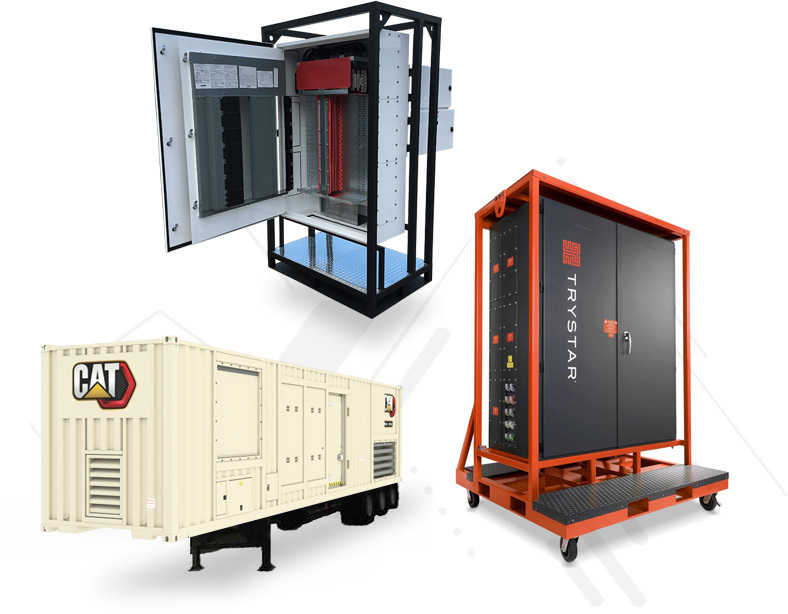
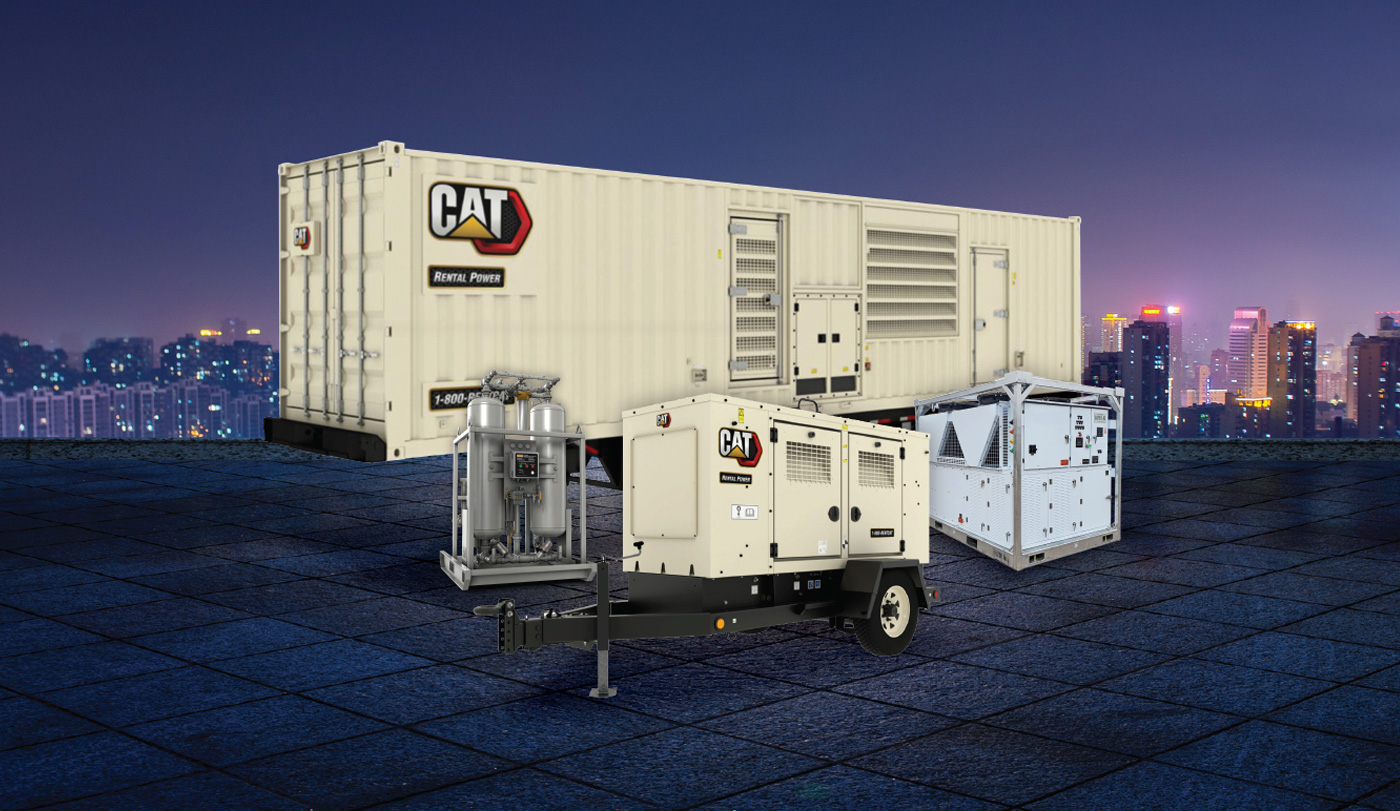
An example of commercial and industrial generator rentals by HOLT Industrial Rentals
Natural Gas Generators
Natural gas generators connect directly to a gas line. You get a steady power supply as long as the line stays active.
They produce fewer emissions than diesel generators, which makes them a cleaner option for facilities with strict environmental standards.
- Power output: 10 kW to 2,000 kW
- Best for: Facilities with existing gas infrastructure, commercial buildings, hospitals, standby power systems
Natural gas generators work well as permanent or semi-permanent backup power solutions. The fuel cost is also lower than diesel in most regions, making them a cost-effective long-term option.
The trade-off is fuel access. If a natural gas line goes down during a widespread power outage, your generator goes down with it.
Propane Generators
Propane sits in a tank on your site. Unlike natural gas, it doesn’t rely on a gas line. That gives you more control over your fuel source, especially in remote locations.
Propane burns cleaner than diesel and has a long shelf life in storage, up to 30 years. That makes it a practical choice for backup generators that sit idle for months at a time.
- Power output: 5 kW to 150 kW
- Best for: Remote sites, rural facilities, light commercial backup power
Propane generators are popular for standby use. They start automatically when the power goes out and connect to your electrical panel through an automatic transfer switch. Runtime depends on tank size, but a 500-gallon tank can keep a mid-size unit running for several days.
Solar Generators
Solar generators use solar power to change a battery bank. The stored electrical energy powers your equipment through an inverter, converting direct current into alternating current.
They produce zero emissions and run silently. For remote monitoring stations, small job site offices, or temporary lighting setups, they’re a clean and practical option.
- Power output: 1 kW to 15 kW (most portable units)
- Best for: Remote locations, low-load applications, renewable energy setups, off-grid sites
Solar generators have limits. They depend on sunlight to recharge, so cloudy days or high-demand jobs can drain them fast. They’re best suited for light power needs, laptops, lighting, small equipment; not heavy industrial loads.
For large-scale or critical power generation, solar alone usually isn’t enough. Think of it as a supplement, not a primary power source.
Bi-Fuel Generators
Bi-fuel generators run on two fuel sources at once, typically diesel and natural gas. The diesel engine starts the unit and carries the base load. Natural gas feeds in to reduce diesel consumption as the load increases.
This gives you the reliability of diesel with the cost savings and lower emissions of natural gas.
- Power output: 100 kW to 2,000 kW
- Best for: Long-term industrial operations, facilities with access to both fuel types, applications where fuel cost and runtime matter
Bi-fuel systems are gaining ground in industrial settings where runtime is long and fuel efficiency matters. They can cut diesel consumption by up to 70% under the right conditions.
Inverter Generators
Inverter generators produce alternating current, convert it to direct current, then invert it back to clean alternating current. That process produces stable, consistent power with low harmonic distortion.
The clean power output matters for sensitive equipment such as laptops, medical devices, and electronics that don’t tolerate power fluctuations.
- Power output: 1 kW to 7 kW
- Best for: Small job sites, outdoor events, light commercial use, sensitive electronics
Inverter generators are quieter and more fuel-efficient than conventional portable generators. They adjust engine speed to match the load, which saves fuel and reduces noise.
They’re not built for heavy industrial loads. If your operation needs serious wattage, look at diesel or natural gas options.
Portable Generators
Portable generators are small, gas-powered units you can move from site to site. They plug in directly; no permanent connection to an electrical system required.
They’re common for construction sites with light power needs, small outdoor events, and as temporary backup power.
- Power output: 1 kW to 17 kW
- Best for: Light construction, job site tools, small events, residential backup power
Most portable generators run on gasoline. Runtime is typically 8 to 12 hours on a full tank. One important safety note: they produce carbon monoxide and must always run outdoors or in well-ventilated spaces. Never run one indoors or near open windows.
Standby Generators
Standby generators stay connected to your electrical system at all times. When the grid goes down, an automatic transfer switch triggers the unit and it starts within seconds.
They run on natural gas or propane and are designed for long automatic operation, no manual startup, no extension cords, no delay.
- Power output: 7 kW to 150 kW for commercial units; larger industrial standby systems go well beyond that
- Best for: Hospitals, data centers, commercial facilities, any operation where downtime is not an option
A properly installed standby generator keeps your operation running through blackouts without anyone lifting a finger. An electrician handles the installation and connects the unit to your electrical panel.
Industrial Generators
Industrial generators sit at the top of the scale. These are heavy-duty units built for continuous, high-load operation across large facilities, power plants, mining operations, and major construction projects.
They handle loads that smaller generators simply can’t. And they’re built to run for extended periods without a break.
- Power output: 50 kW to 3,500 kW and above
- Best for: Manufacturing plants, mining sites, refineries, large construction projects, critical infrastructure
Rental fleet includes industrial diesel generators sized for the most demanding applications, delivered, installed, and supported by an experienced team.
How to Choose the Right Generator Size
Picking a generator type is only half the decision. The other half is getting the size right.
Too small and your equipment strains or shuts down. Too large and you’re burning fuel and money on power you’re not using. Here’s how to find the right fit.
Start With Your Power Needs
Before you look at any generator spec sheet, figure out what you’re actually powering. Make a list of every piece of equipment that will draw power from the generator.
For each item, find the wattage. Most equipment has a label on the back or side that lists running watts and starting watts. Starting watts are higher, motors and air conditioning units pull a surge of power when they first kick on.
Add up all the running watts. Then add the highest single starting watt figure to that total. That number is your minimum power output requirement.
A licensed electrician can help you do this calculation accurately for large facilities. For complex industrial setups, it’s worth getting a professional assessment before you rent or buy anything.
Understand the Cost of Getting It Wrong
Undersizing is the more common mistake. A generator running at or above its rated capacity runs hot, wears out faster, and can trip or shut down at the worst possible moment.
Your electrical system suffers too. Voltage fluctuations from an undersized unit can damage sensitive equipment over time.
Oversizing has its own problems. Diesel generators, in particular, run poorly at low loads. Running a large diesel unit at under 30% capacity causes a condition called wet stacking. This is the incomplete combustion that damages the engine and shortens its lifespan.
The goal is to run your generator at 70% to 80% of its rated capacity. That’s the sweet spot for efficiency, performance, and long-term reliability.
Account for Running Time
Size and runtime are connected. A generator sized correctly for your load will run longer and more efficiently than one that’s constantly pushed to its limit.
Think about how long you need continuous power. A short-term job site need is different from a facility running backup power through an extended blackout.
For longer running times, factor in fuel storage and refueling logistics. A unit that’s right on your load limit will burn through fuel faster and need more frequent attention.
Consider Renting
Buying a generator means committing to one size. If your power needs grow or change, you’re stuck with what you bought.
Renting gives you flexibility. You can right-size the unit for each specific job or situation. If your load increases, you scale up. If the job wraps early, you send it back. There’s no capital commitment, depreciation, or maintenance costs sitting on your books.
For industrial operations, this matters. A planned maintenance shutdown has different power needs than an emergency outage response. Renting lets you match the generator to the moment, not the other way around.
HOLT Industrial Rentals carries a wide range of generator sizes for exactly this reason. Our team can assess your site and match you to the right unit before delivery. If your power needs shift mid-project, the rental can be adjusted.
For a deeper look at sizing options, see the Portable Generator Sizes guide for a full breakdown by application and load range.
FAQs
Do you need a transfer switch?
Yes. A transfer switch connects your generator to your electrical panel and switches your power supply automatically when the grid goes down. An electrician will require one for any permanent setup.
Can you run a generator indoors?
No. Gas-powered generators produce carbon monoxide. Always run them outdoors and away from windows and vents.
How long do industrial generators last?
A well-maintained diesel generator can run 20,000 to 30,000 hours. Lifespan depends on load management, fuel quality, and regular servicing.
Can generators power air conditioning?
Yes, but AC units draw a lot of power at startup. Always factor in that surge when calculating your load before sizing your unit.
Explore Our Range of All Generators Rental Types Today
You now know the different types of generators, how each one works, and how to size one for your power needs. The next step is finding the right unit for your specific job.
HOLT carries a full range of industrial generator rentals, including diesel, natural gas, and beyond. Every unit is delivered, installed, and supported by an experienced team that knows industrial power generation inside and out. If your load changes mid-project, the rental scales with you.
Your facility can’t afford downtime. You can get reliable electric power when and where your operation needs it.
Call 844-660-RENT (7368) to speak with a project manager today. We’ll assess your site, calculate your power needs, and match you to the right generator before a power outage forces your hand.
Or schedule a site assessment online and get a contingency plan in place.
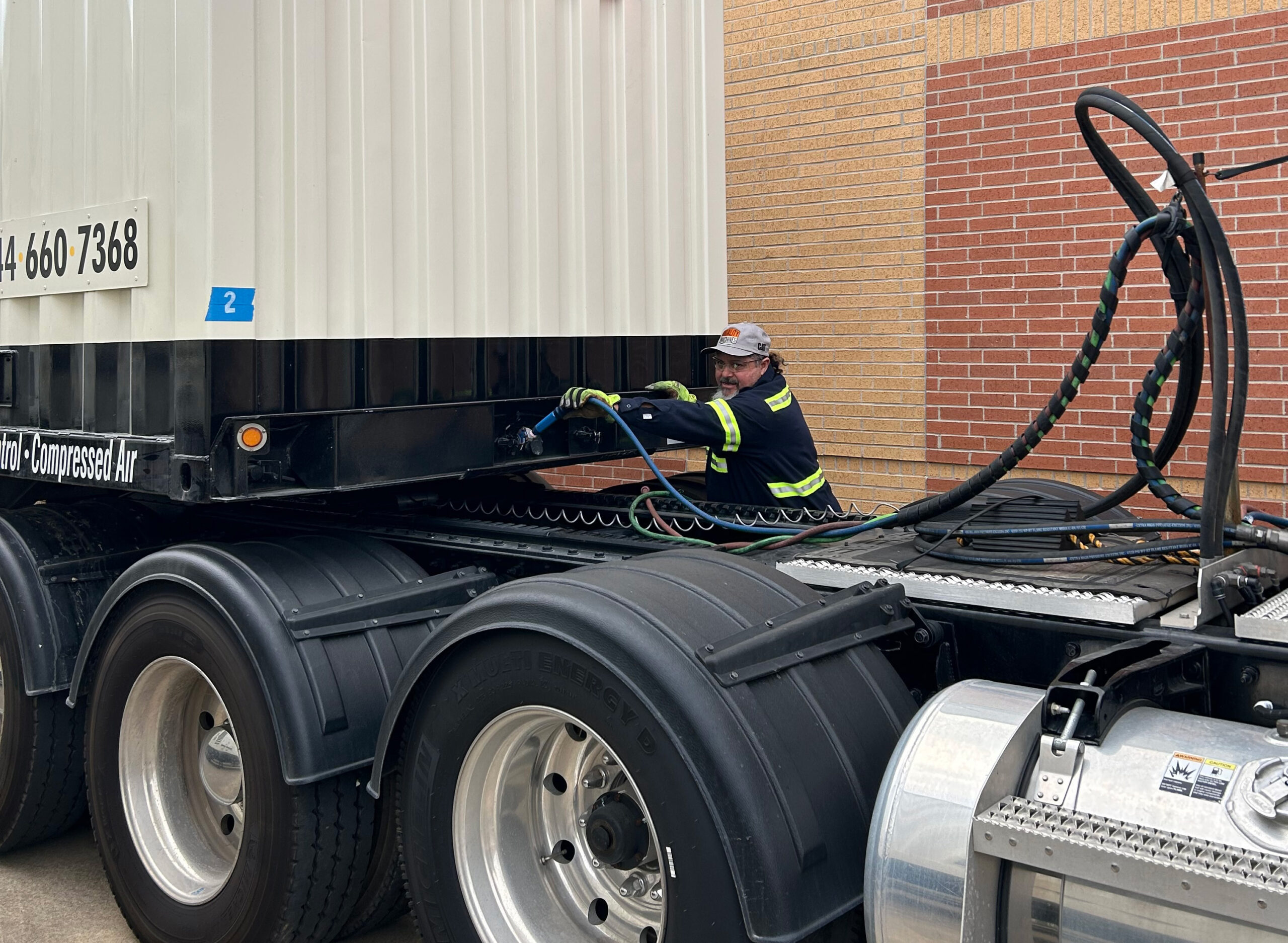
Employee Spotlight: Ken Bishop
Ken Bishop: A Career Built on Safety, Integrity, and Experience
As a haul truck driver here at HOLT Industrial Rentals, Ken Bishop has built a career rooted in safe practices, consistency, and trust earned over more than 30 years in the heavy equipment transportation industry.
Safety is the accomplishment Ken is most proud of throughout his career. With more than three decades of experience transporting heavy equipment, he has maintained a flawless safety record without a single incident. That record reflects a disciplined approach to his work, a strong attention to detail, and a commitment to following procedures every time. Ken also values the opportunity to share his knowledge, helping teach others how to perform their work safely and responsibly.
Values-Based Leadership plays an important role in how Ken approaches his job each day. Honesty and integrity guide how he works with coworkers and customers, and he leads by example through safe work habits and respect for those around him. Listening is just as important as leading, whether it involves learning from teammates or understanding customer needs on a jobsite. By demonstrating proper equipment and accessories and assisting with safe delivery and pickup planning, Ken helps create safer job environments from start to finish.
What Ken enjoys most about his role at HOLT Industrial Rentals is the variety. Traveling to different jobsites, interacting directly with customers, and meeting new people keeps the work engaging and rewarding. Each site brings new challenges and opportunities to build trust through dependable service and a strong commitment to safety.
Outside of work, Ken values time with family. He and his wife, Mary, are enjoying life as empty nesters and cherish time spent with their three children and three granddaughters — Lanie, Riley, and Charlie Grace. His oldest daughter, Jessica, holds a finance degree and is currently focused on being a stay-at-home mom. Frankie owns and operates his own hair studio, and Eddie is actively serving in the U.S. Army on the Operation Lone Star mission, a source of great pride for the entire family. When he’s not working or spending time with family, Ken enjoys fishing on his boat, riding his Harley Road King, and restoring a classic 1965 Ford Mustang.
Ken’s experience, dedication to safety, and values-driven mindset make him a trusted member of the HOLT Industrial Rentals team. His approach to his work reflects the standards our company is built on and the people who help move our customers forward every day. Thank you for being part of the HOLT Industrial Rentals team, Ken!
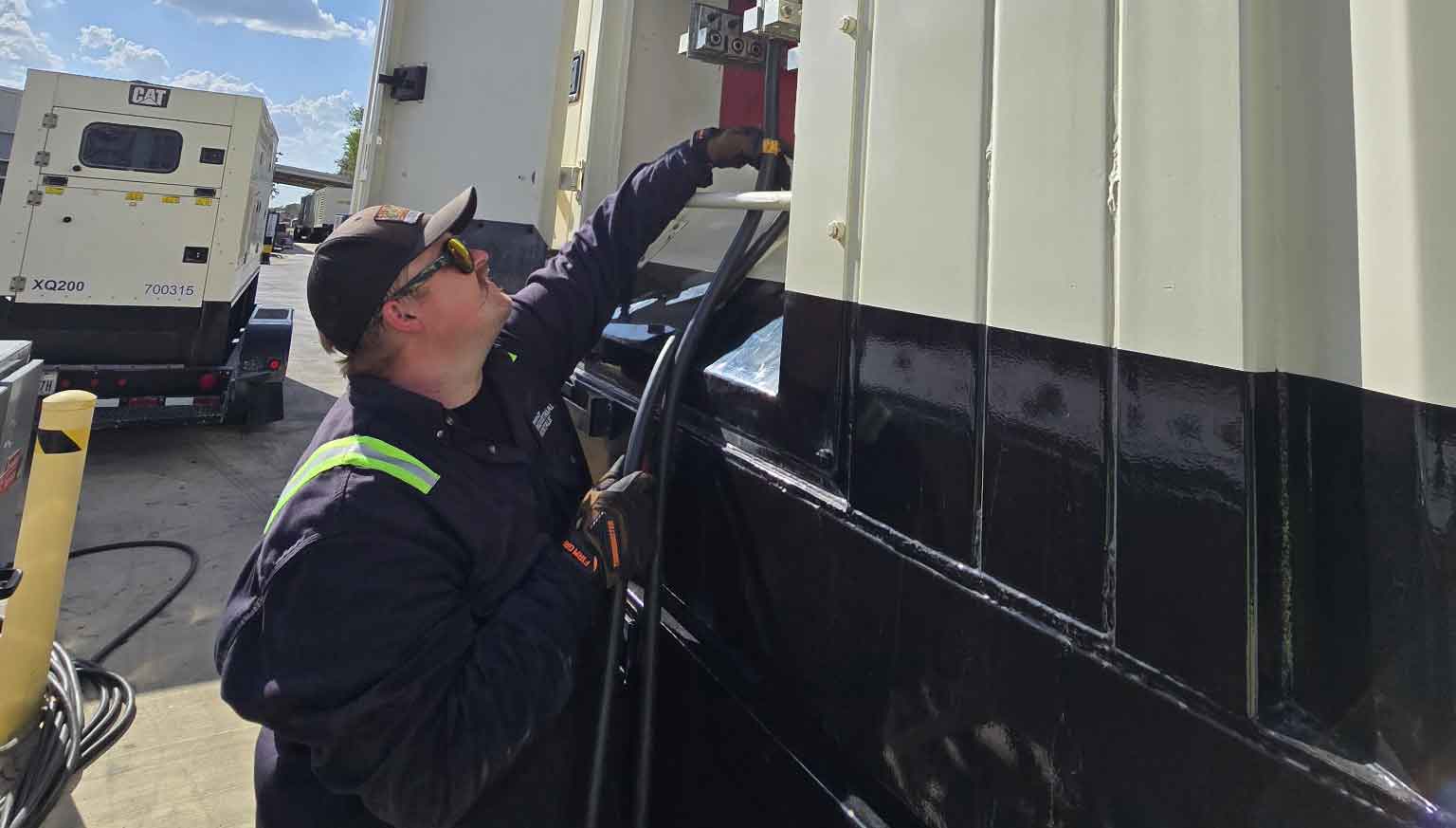
Technician Appreciation Week Spotlight: Mason Snook
Technician Appreciation Week Spotlight: Mason Snook
At HOLT Industrial Rentals, our technicians are the heartbeat of our business. Their expertise, dedication, and problem-solving skills keep our customers’ operations moving, no matter the challenge. As we celebrate Technician Appreciation Week, we’re shining a spotlight on one of our team members: Mason Snook.
Mason’s commitment to HOLT’s Values-Based Leadership shines through in the way he approaches his work. For him, it’s all about “always doing what is right—for the customer and for HOLT Industrial Rentals —while completing dynamic, challenging jobs.” That mindset, paired with his strong work ethic, has helped him achieve an accomplishment he’s especially proud of: moving into a field truck in just over a year!
What Mason enjoys most about his job is being the go-to person for tough tasks. “I like being that guy people count on to complete challenging work,” he shares. But beyond the work itself, it’s the customers who inspire him. Helping them get back up and running during times of need is what makes being a technician so rewarding.
As for being recognized during Technician Appreciation Week, Mason says he is “greatly appreciative” but quick to point out that it’s not just about him. “I could not do what I do without the people around me,” he emphasizes, highlighting the team-first spirit that makes our technicians so special.
When Mason isn’t hard at work helping customers, you’ll most likely find him outdoors with his family. Camping trips to local parks are a favorite, and when he’s not out in nature, he’s often busy with a variety of hands-on projects. That same drive to work with his hands carries over into his role as a technician, where every day brings new challenges and opportunities to solve problems.
This week, and every week, we’re grateful for Mason and all of our technicians who keep HOLT Industrial Rentals running strong. Thank you for the dedication, the long hours, and the commitment to doing what’s right for our customers.
OUT OLT INDUSTRIAL RENTALS
HOLT Industrial Rentals is a turnkey industrial rentals company providing temporary power, climate, air and more. The solutions-based enterprise delivers advance- and emergency-rental equipment and planning for facilities maintenance, construction sites, events, and the energy and manufacturing industries. HOLT Industrial Rentals services all of Texas with headquarters in San Antonio and regional offices in Dallas, Corpus Christi, Georgetown, and Houston, Texas. The company continues the HOLT legacy of solutions and service alongside fellow Holt Texas, Ltd., companies HOLT CAT, Texas First Rentals, HOLT Manufacturing, HOLT Renewables, and HOLT Industrial Systems. For more information, visit HoltIndustrialRentals.com.

A Legacy of Leadership: Mike Pitzer’s Impact at Work and at Home
A Legacy of Leadership: Mike Pitzer’s Impact at Work and at Home
For Mike Pitzer, being a dependable presence—for his customers, his coworkers, and especially his family—isn’t just a personality trait. It’s a way of life. As a Rental Solutions Sales Representative for HOLT Industrial Rentals, Mike has spent years showing up, solving problems, and building relationships that matter. But the title he’s proudest to carry? Dad.
Outside of work, Mike is just as committed to his family as he is to his role in the field. He and his wife Courtney raised four children—Brady, Jake, Emery, and Holt—and are now enjoying life with five grandkids who keep them busy. His three sons, all military veterans, work together at a nuclear weapons facility in the Texas Panhandle. And his daughter, Emery, is now carrying on the family’s connection to the HOLT Group as an employee at Texas First Rentals.
“It’s pretty special to share that connection,” Mike said. “Even though we work in different parts of the business, I’m proud to see Emery finding her place in the industry.”
When he’s not helping customers or spending time with family, Mike enjoys the great outdoors—golfing, fishing, and traveling with loved ones. But no matter where he is, the qualities that make him a great father also shape how he approaches his role at HOLT Industrial Rentals.
“Being a dad has taught me patience, flexibility, and the importance of leading by example,” he said. “I treat my coworkers and customers the same way I’d want someone to treat my own family.”
Dependability is something Mike values deeply—both giving it and receiving it. Whether it’s his grandkids needing a ride or a customer needing a generator on short notice, Mike is the person people can count on.
And if you ask his kids to describe him in one word? They’ll tell you he’s the “GOAT.” That’s short for Greatest of All Time—a title his children all agreed was the best way to sum up the role he’s played in their lives. “That was pretty humbling to hear,” Mike admitted. “Watching them grow into the people they are today has been one of my greatest joys.”
This Father’s Day, we celebrate the example Mike sets—at work, at home, and in the legacy he’s building across generations. From all of us at HOLT Industrial Rentals, thank you, Mike, for being someone who shows up, leads with heart, and makes a difference every day.
ABOUT HOLT INDUSTRIAL RENTALS
HOLT Industrial Rentals is a turnkey industrial rentals company providing temporary power, climate, air and more. The solutions-based enterprise delivers advance- and emergency-rental equipment and planning for facilities maintenance, construction sites, events, and the energy and manufacturing industries. HOLT Industrial Rentals services all of Texas with headquarters in San Antonio and regional offices in Dallas, Corpus Christi, Georgetown, and Houston, Texas. The company continues the HOLT legacy of solutions and service alongside fellow Holt Texas, Ltd., companies HOLT CAT, Texas First Rentals, HOLT Manufacturing, HOLT Renewables, and HOLT Industrial Systems. For more information, visit HoltIndustrialRentals.com.
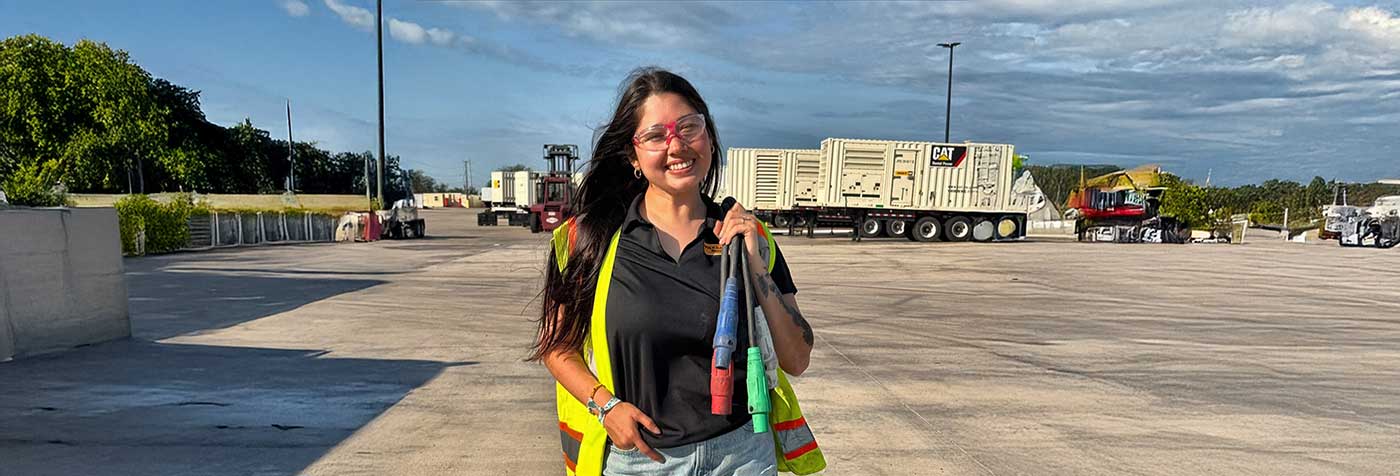
From Contracts to the Ball Field: Alexis Libiran’s Secret to Keeping Life Running Smoothly
From Contracts to the Ball Field: Alexis Libiran’s Secret to Keeping Life Running Smoothly
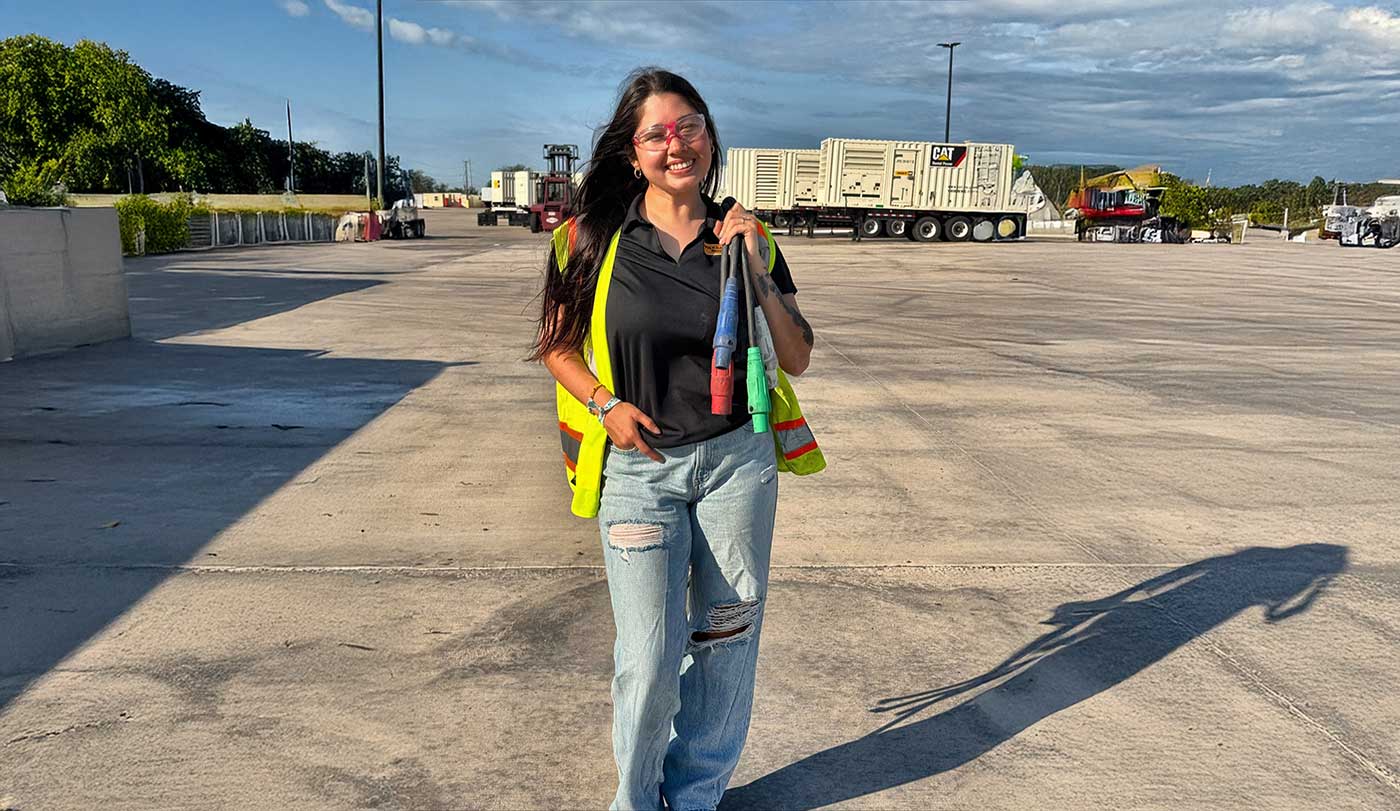
At HOLT Industrial Rentals, staying organized isn’t just a job—it’s a daily mission, and Alexis Libiran takes that mission to heart. As a Rental Coordinator, Alexis is dedicated to keeping preventive maintenance on schedule and ensuring rental contracts are completed efficiently. One of the accomplishments she’s most proud of is helping make the rental process smoother, especially when it comes to scheduling and turning around contracts quickly. “It’s great to see how much more efficient everything runs when things are organized,” Alexis shares, reflecting on the difference her work makes for both the team and customers.
Alexis approaches Values-Based Leadership by leading with honesty, respect, and decisions that align with her team’s goals. It’s a mindset that not only keeps operations moving efficiently but also fosters a positive and collaborative work environment. For Alexis, the values that guide HOLT—honesty, hard work, and flexibility—are the same ones that keep her grounded and focused every day.
Outside of work, Alexis’s world revolves around her two beautiful daughters, Neema, 9, and Aliyah, 7, along with her fiancé, Joe Daniel. She’s a proud softball mom and finds fulfillment cheering on her girls at the ball field. Whether she’s cooking dinner or relaxing with a good show, Alexis values her downtime and the opportunity to recharge with her family. With Joe Daniel by her side, she’s grateful for the love and support that make life at home just as rewarding as her work at HOLT.
ABOUT HOLT INDUSTRIAL RENTALS
HOLT Industrial Rentals is a turnkey industrial rentals company providing temporary power, climate, air and more. The solutions-based enterprise delivers advance- and emergency-rental equipment and planning for facilities maintenance, construction sites, events, and the energy and manufacturing industries. HOLT Industrial Rentals services all of Texas with headquarters in San Antonio and regional offices in Dallas, Corpus Christi, Georgetown, and Houston, Texas. The company continues the HOLT legacy of solutions and service alongside fellow Holt Texas, Ltd., companies HOLT CAT, Texas First Rentals, HOLT Manufacturing, HOLT Renewables, and HOLT Industrial Systems. For more information, visit HoltIndustrialRentals.com.
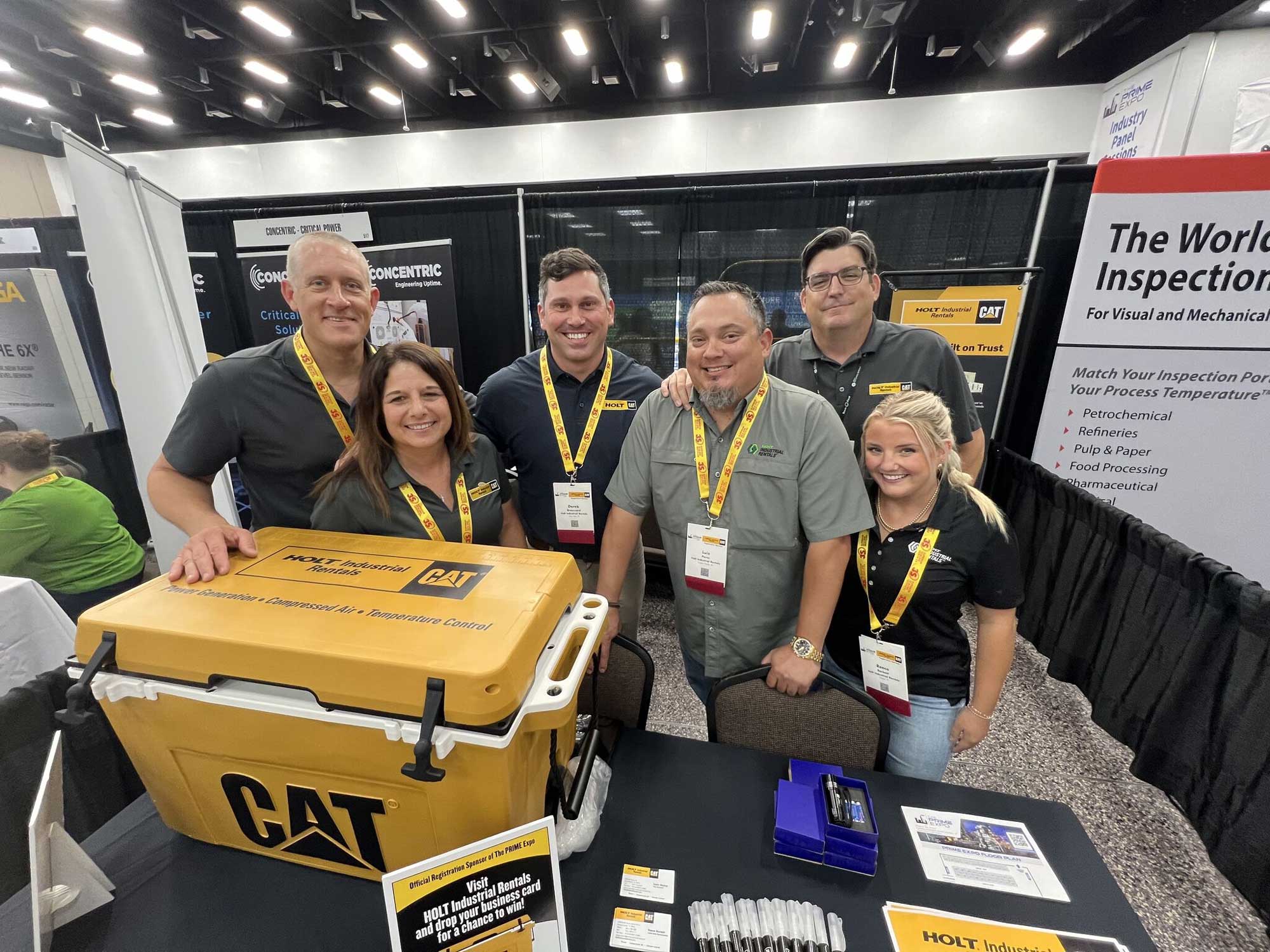
Brigit McPherson’s Mother’s Day Reflection: Leading with Heart at Work and Home
Brigit McPherson’s Mother’s Day Reflection: Leading with Heart at Work and Home
Brigit McPherson’s journey here at HOLT Industrial Rentals is shaped not only by her professional expertise but also by the heart and perspective she brings as a mother.
For over 30 years, Brigit has shared life with her husband, Scott, raising two sons, Taylor and Hunter, who have been her inspiration throughout her career. Taylor, now 30, is pursuing a path in the medical field, while 25-year-old Hunter has built his career in computer science. Brigit describes her sons as the heart behind her professional drive, reminding her to stay resilient when life takes an unexpected turn — and reinforcing one of her favorite sayings: “This too shall pass.”
At HOLT Industrial Rentals, Brigit’s passion is helping people succeed. She finds no greater joy than watching her team members reach new milestones and hearing the pride in their voices. Her children would describe her as nurturing and supportive, qualities that naturally carry over into her leadership style. She’s always checking in, ensuring those around her have what they need to thrive — because to Brigit, compassion and communication are essential wherever people are involved.
Motherhood has shaped Brigit’s approach to work in meaningful ways. Early in her career, she sacrificed important family milestones to climb the corporate ladder — a choice she now works hard to help her team avoid. As a leader, she wants her employees to know they can have both: a fulfilling career and time to show up fully for their families. Her advice to other moms balancing work and home? Don’t be afraid to ask for help. “Women tend to believe that asking for help is a sign of weakness, but it shows personal awareness of what it takes to do a job successfully.”
Outside of work, Brigit and Scott recently began a new adventure, building a home on land in Blanco, Texas. Life there is filled with the charm of blackbuck, oryx, free-ranging turkeys, and three donkeys affectionately named the Golden Girls. She’s even gained a new set of skills caring for the fluffy Silkies her sales team lovingly calls “Bougie Chickens.”
This Mother’s Day, we’re honored to recognize Brigit McPherson — a mom, a mentor, and a leader!
ABOUT HOLT INDUSTRIAL RENTALS
HOLT Industrial Rentals is a turnkey industrial rentals company providing temporary power, climate, air and more. The solutions-based enterprise delivers advance- and emergency-rental equipment and planning for facilities maintenance, construction sites, events, and the energy and manufacturing industries. HOLT Industrial Rentals services all of Texas with headquarters in San Antonio and regional offices in Dallas, Corpus Christi, Georgetown, and Houston, Texas. The company continues the HOLT legacy of solutions and service alongside fellow Holt Texas, Ltd., companies HOLT CAT, Texas First Rentals, HOLT Manufacturing, HOLT Renewables, and HOLT Industrial Systems. For more information, visit HoltIndustrialRentals.com.
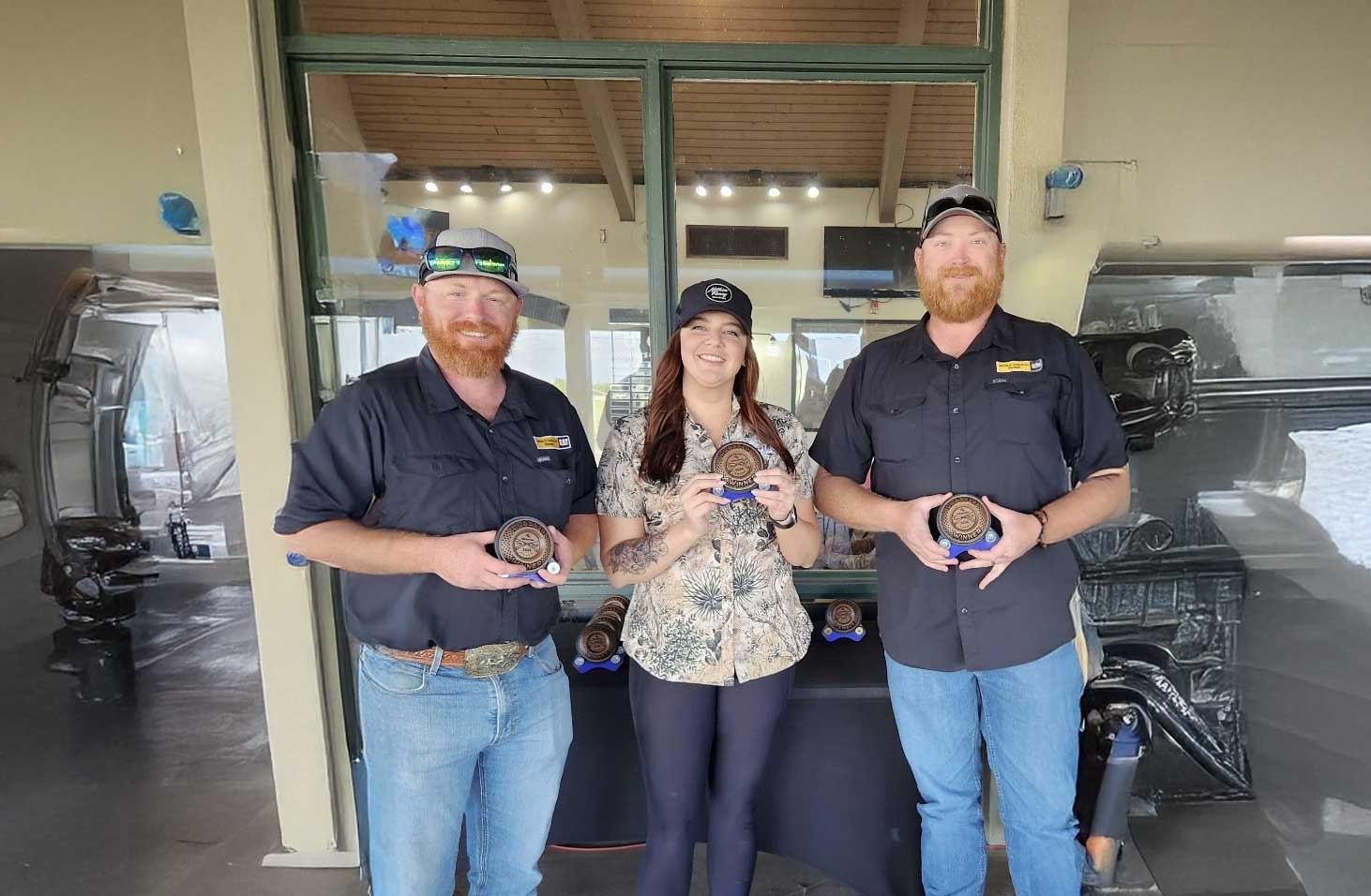
Solving Problems, Building Relationships: Meet Jimmy Love
Solving Problems, Building Relationships: Meet Jimmy Love
At HOLT Industrial Rentals, our team’s commitment to customers and leadership through values is what sets us apart. Jimmy Love, Business Development Manager, is a prime example of this dedication in action. In his role, Jimmy strives to bring innovative solutions to the table, always looking for ways to integrate new technology while continuing to excel with the programs and equipment we offer today. His approach to Values Based Leadership is simple but powerful—no matter the situation, always strive to be the best without compromising integrity.
One of the accomplishments Jimmy is most proud of in his career is seeing the success of those he has mentored. Watching people he’s guided grow in their careers and find their own paths to success is what he considers the most rewarding part of his journey. For Jimmy, helping customers solve problems is more than just a part of the job—it’s an opportunity to build strong, lasting relationships with the people and companies we serve.
When the workday winds down, Jimmy enjoys spending time with his family, whether they’re at a rodeo, a team roping event, or out hunting. Married for seven years, he and his wife are raising a five-year-old daughter who brings plenty of energy and joy into their lives. Those moments outside of work help fuel his passion for the work he does every day.
ABOUT HOLT INDUSTRIAL RENTALS
HOLT Industrial Rentals is a turnkey industrial rentals company providing temporary power, climate, air and more. The solutions-based enterprise delivers advance- and emergency-rental equipment and planning for facilities maintenance, construction sites, events, and the energy and manufacturing industries. HOLT Industrial Rentals services all of Texas with headquarters in San Antonio and regional offices in Dallas, Corpus Christi, Georgetown, and Houston, Texas. The company continues the HOLT legacy of solutions and service alongside fellow Holt Texas, Ltd., companies HOLT CAT, Texas First Rentals, HOLT Manufacturing, HOLT Renewables, and HOLT Industrial Systems. For more information, visit HoltIndustrialRentals.com.
Veterans Day Spotlight: Honoring Jonathan Carbonaro’s Journey from the U.S. Air Force to HOLT Industrial Rentals
Veterans Day Spotlight: Honoring Jonathan Carbonaro’s Journey from the U.S. Air Force to HOLT Industrial Rentals
SAN ANTONIO, TX — Nov. 5, 2024 — This Veterans Day, we are proud to spotlight Jonathan Carbonaro, a valued member of the HOLT Industrial Rentals (HIR) team. Jonathan's dedication to service – both during his military career and now with HIR – exemplifies the values of perseverance, teamwork, and problem-solving.
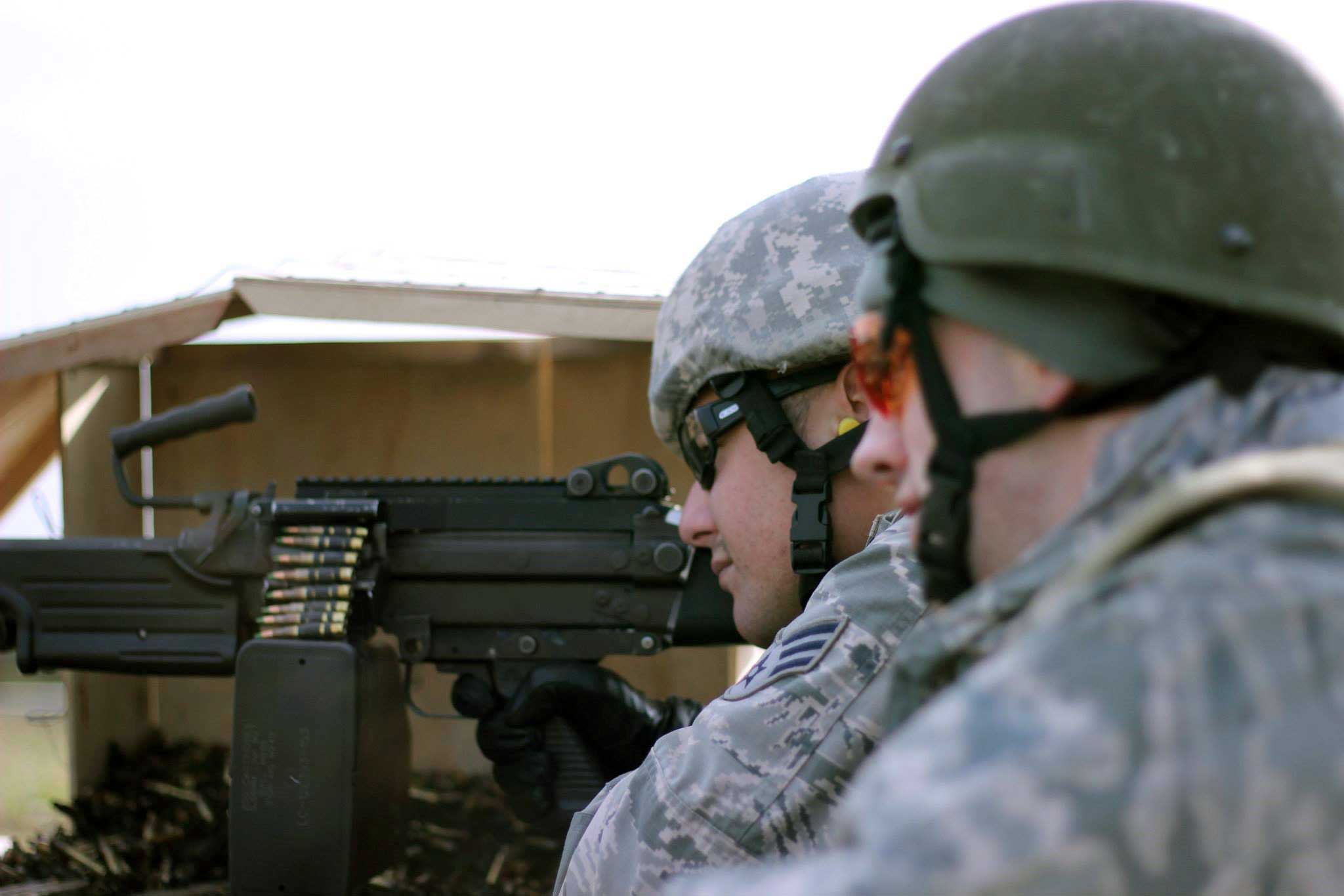
Jonathan joined the U.S. Air Force in July 2010, inspired by a need for adventure and direction after his freshman year of college. “The military offered the best chance to see the world and do things I might not have otherwise had the opportunity to do.” He served in the Air Force for seven and a half years, with five years spent in Security Forces and two and a half years as a Combat Arms Instructor. His military experience sharpened his teamwork and leadership skills, which now play a critical role in his position at HIR.
Jonathan credits his time in the Air Force for instilling the discipline and attention to detail needed to excel in his role as Retail Coordinator. “The ability to work in a small team environment to accomplish any task has been key,” he says. “Every day brings a new challenge, and I enjoy finding dynamic solutions that support our customers." Whether it’s coordinating trucks, managing contracts, or ensuring equipment is delivered on time, Jonathan takes pride in knowing he’s making a difference. “At the end of the day, we get to go home knowing we accomplished something and provided real solutions for our customers.
When Jonathan isn't at work, he enjoys spending time with his family, playing music, or winding down with video games. One of his favorite pastimes is going to the range, and his perfect weekend reflects his passions: “I’d take my son to the range, play some music, and watch our dogs try to herd the kids in the backyard,” he says with a laugh. He and his wife, Kaley, have been married for nine years. Kaley is also part of the HOLT family, working at Pro Tec for the past 13 years. Together, they have two children – 7-year-old Jon and 3-year-old Madelyn – as well as two dogs: an Australian Shepherd and a Border Collie.
On this Veterans Day, we honor Jonathan Carbonaro for his military service and for his continued commitment to excellence at HOLT Industrial Rentals. Thank you, Jonathan, for your service to our country and for everything you do for our team and customers.
ABOUT HOLT INDUSTRIAL RENTALS
HOLT Industrial Rentals is a turnkey industrial rentals company providing temporary power, climate, air and more. The solutions-based enterprise delivers advance- and emergency-rental equipment and planning for facilities maintenance, construction sites, events, and the energy and manufacturing industries. HOLT Industrial Rentals services all of Texas with headquarters in San Antonio and regional offices in Dallas, Corpus Christi, Georgetown, and Houston, Texas. The company continues the HOLT legacy of solutions and service alongside fellow Holt Texas, Ltd., companies HOLT CAT, Texas First Rentals, HOLT Manufacturing, HOLT Renewables, and HOLT Industrial Systems. For more information, visit HoltIndustrialRentals.com.